

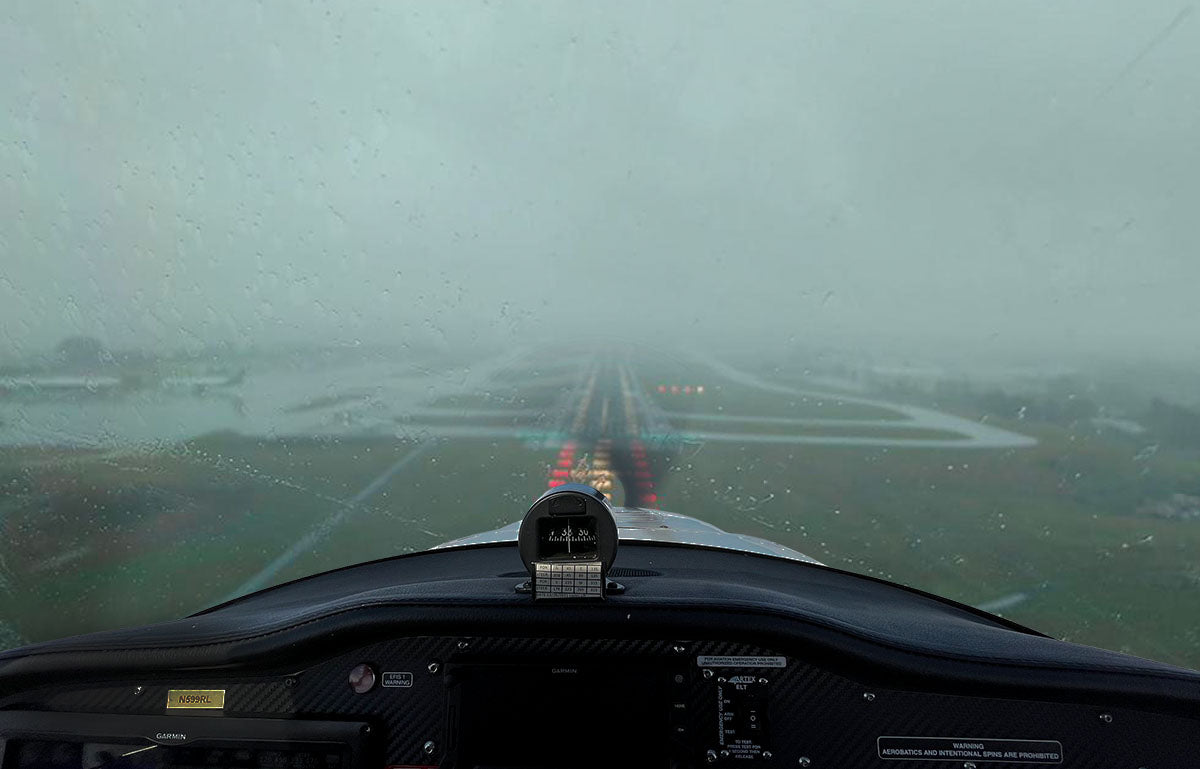
Master IFR and Fly More
An Instrument Rating (IFR) allows you to fly in weather conditions that ground other pilots. It is the most critical certification for safety, precision, and career progression. Whether you’re aiming for the airlines or want to ensure you never get stuck by a low ceiling again, Dynasty Aviation provides the structured environment you need to master IFR.
IR Training Program Breakdown
Part 61 offers flexibility and proficiency-based training, ideal for pilots balancing work or flying on a variable schedule. Part 141 follows a structured FAA-approved syllabus designed for career-track students who want a defined, accelerated path toward commercial and airline progression. The certificate earned is identical. The difference is in the training structure and pace.
Glass cockpit with Garmin G3X
Fuel and Taxes Included
AATD Simulator Training
Flexible Scheduling or Structured Syllabus
Part 141
Part 61
Minimum Cost
$8,440
$10,950
Instrument Time
35 hrs
40 hrs
Duration
2 months
3 months
Training Flight Time
21 hrs
15 hrs
Time Building
-
45 hrs of XC PIC
Simulator Time
14 hrs
Up to 20 hrs
Online Ground School
Included
Included
What an Instrument Rating Unlocks
All-Weather Capability
Stop letting "marginal VFR" or low clouds cancel your plans. Navigate safely through IMC (Instrument Meteorological Conditions) and fly with the confidence that you can handle changing weather.
Precision & Safety
Sharpen your stick-and-rudder skills to a professional standard. You will learn to trust your instruments, manage complex cockpit workloads, and become a significantly safer pilot.
The Path to Professionalism
An IFR rating is the non-negotiable gateway to a Commercial Pilot License. It’s where you transition from a recreational flyer to a high-performance aviator.
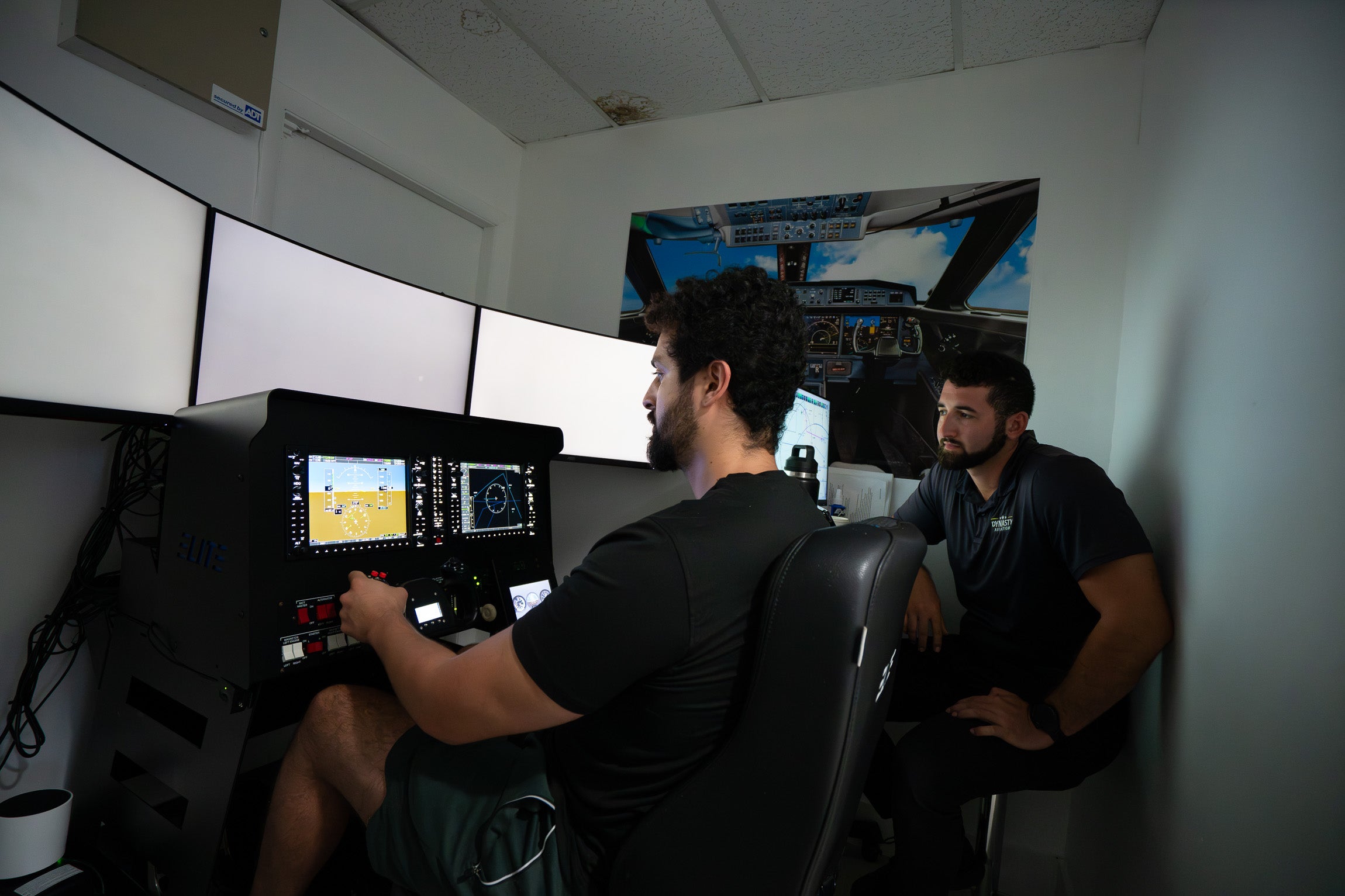
What the IR Program Covers
The Instrument training program is about mastering control when outside references disappear. You transition from visual flying to disciplined aircraft management using instruments, procedures, and structured decision-making.
- Develop precision control using full and partial panel techniques
- Master IFR departures, enroute procedures, holds, and instrument approaches
- Build advanced avionics proficiency in modern glass cockpits
- Strengthen aeronautical decision-making in real-world weather scenarios
- Execute cross-country flights under IFR with planning accuracy and systems management
The Instrument Rating builds technical confidence, procedural discipline, and the ability to operate safely and predictably within the National Airspace System.
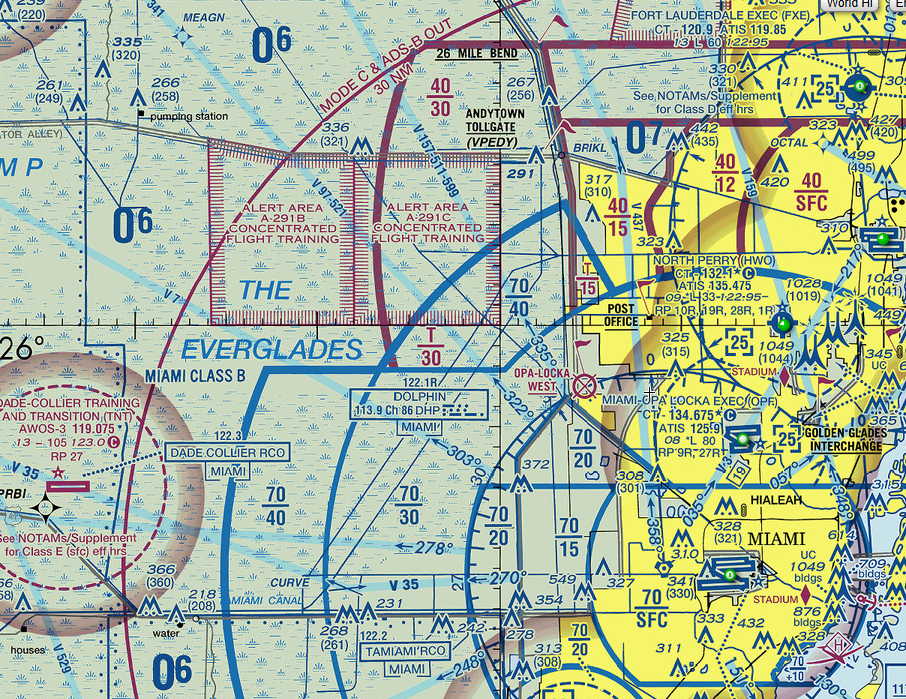
Who Can Earn an Instrument Rating
The IFR rating is an "add-on" to your existing Private Pilot License. It requires a commitment to technical study and disciplined flight profiles.
To qualify for Instrument Rating training, you must:
- Hold at least a current Private Pilot Certificate.
- Be able to read, speak, write, and understand English.
- Hold a valid FAA Medical Certificate (3rd Class or higher).
Training Requirement Difference:
- An Instrument Rating requires 40 hours of actual or simulated instrument time and specific cross-country requirements under IFR.
At Dynasty Aviation, we integrate advanced flight simulators with our modern fleet to ensure you meet these requirements efficiently while mastering the South Florida IFR environment.
The Dynasty Training Advantage
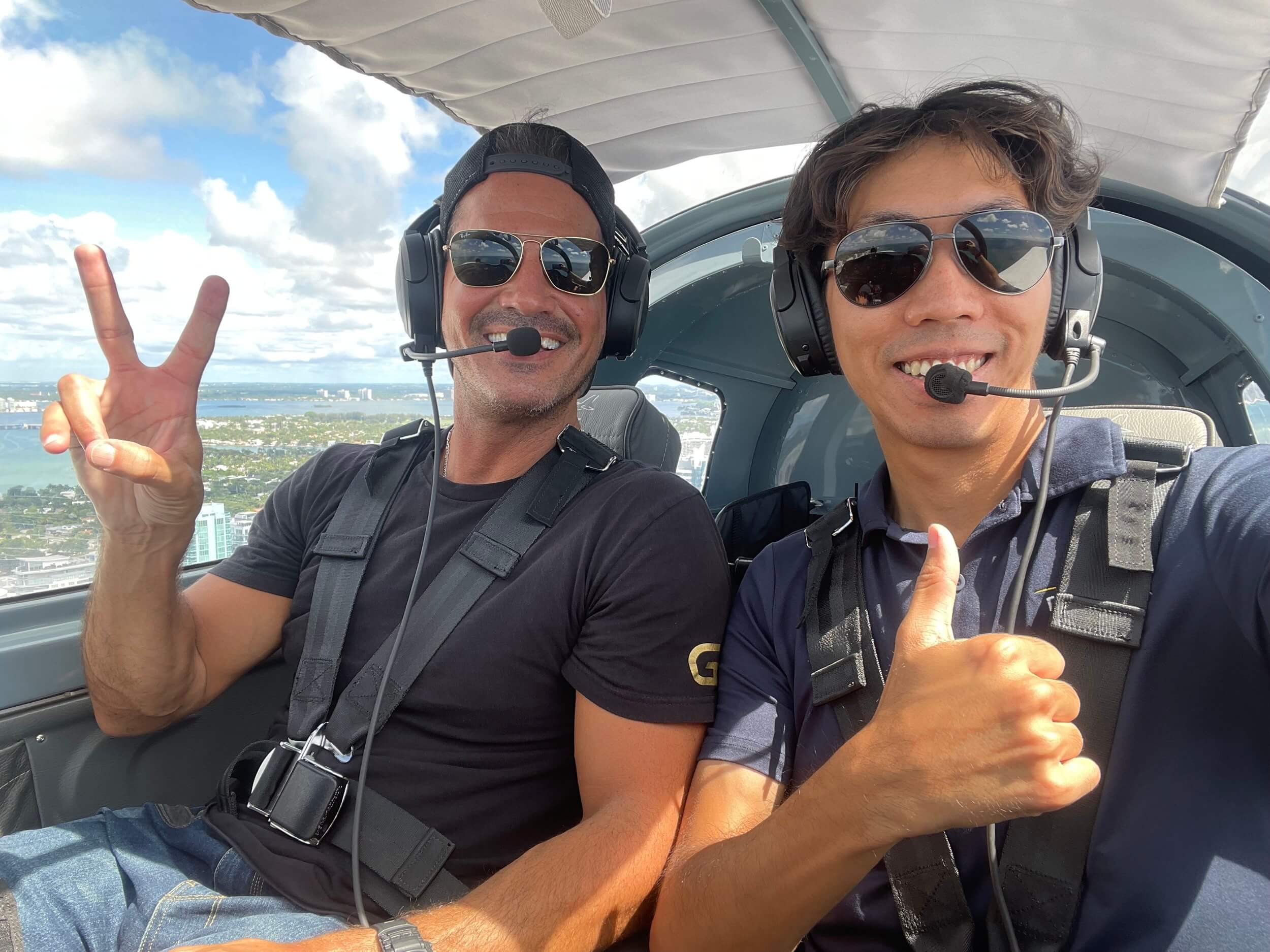
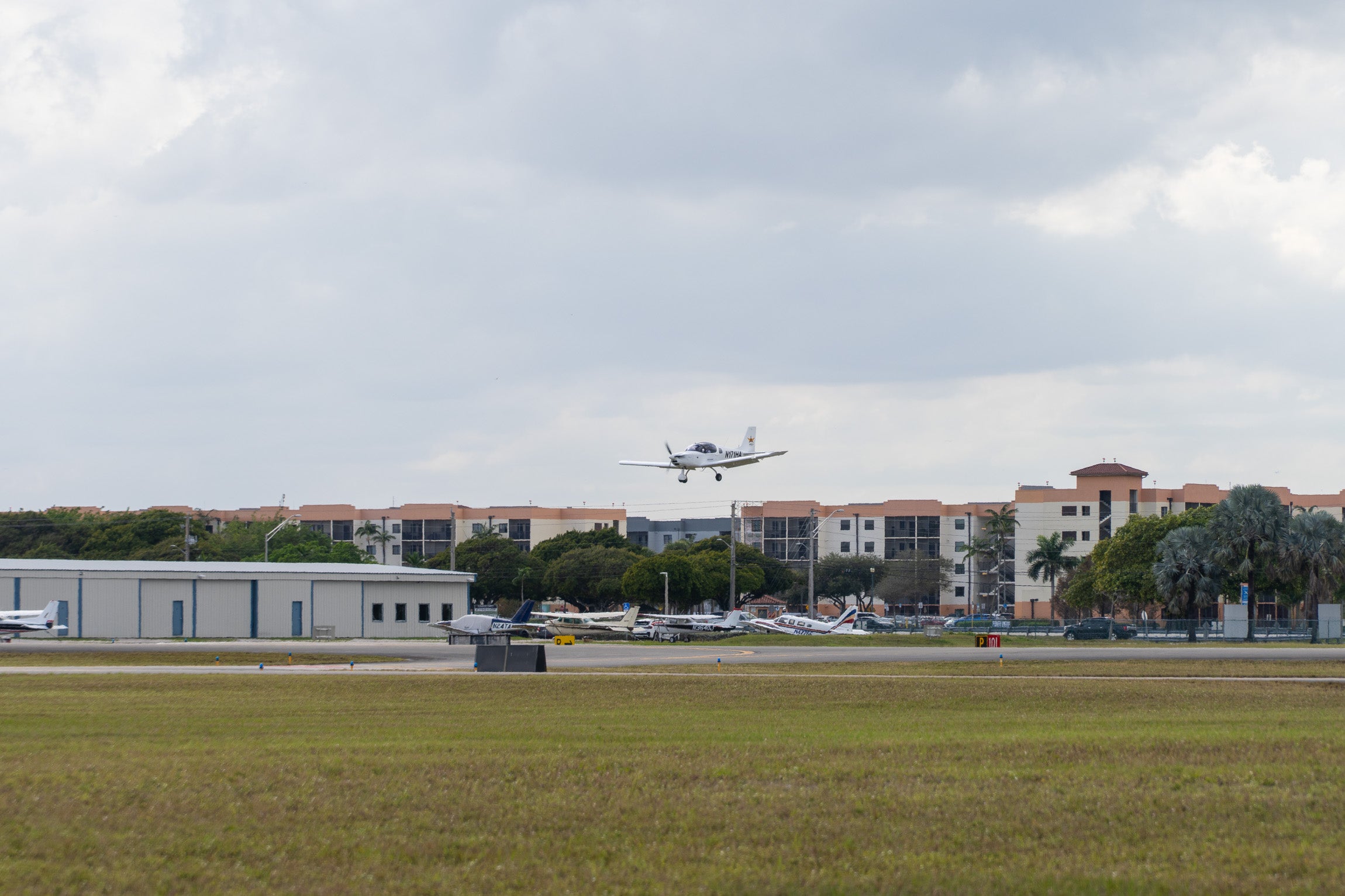
Train for your Instrument Rating in a fleet equipped with the latest Garmin glass cockpits (G3X/GNN 650/750). Mastery of the IFR system requires modern technology, and our Sling and RV-12 iS aircraft provide the perfect platform for learning advanced navigation.
All training is conducted from North Perry Airport (KHWO). Dealing with South Florida’s frequent weather shifts and busy complex airspace.
Your Path to an Instrument Rating
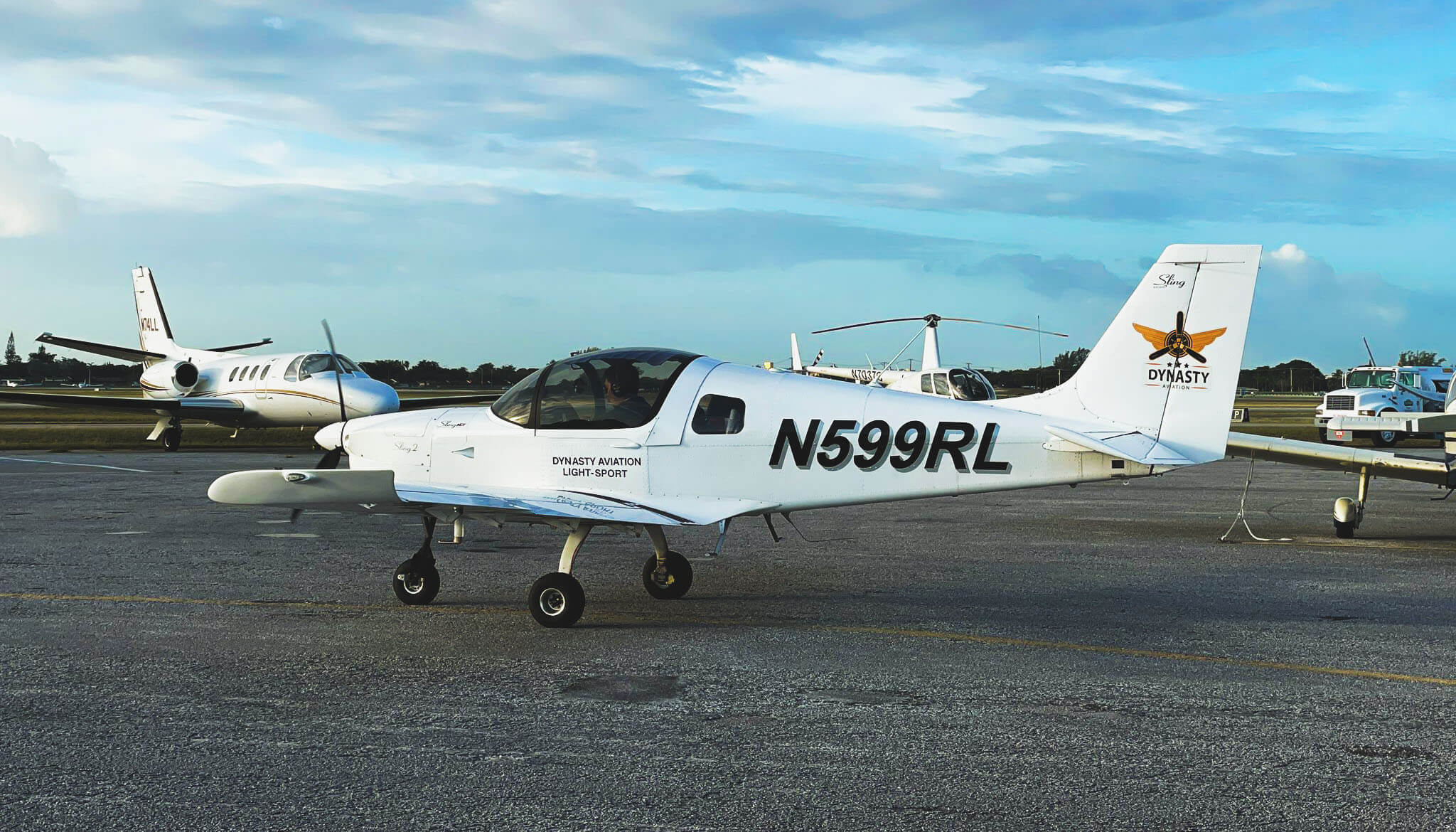
IFR Discovery Session
Fly with a CFII and see how instrument training works in real South Florida airspace. Review avionics workflow, ATC expectations, and what your IFR timeline looks like before you commit.
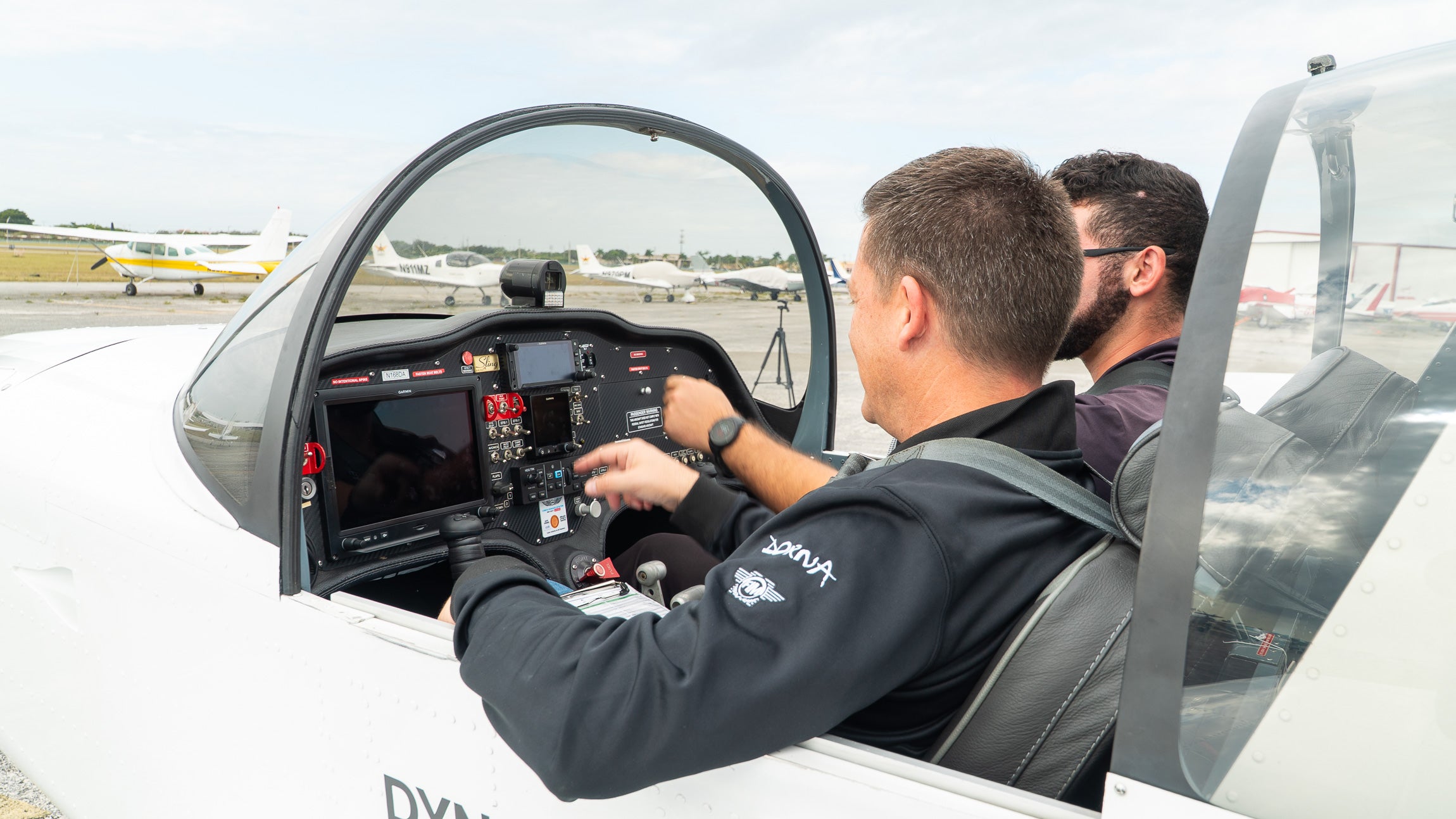
Onboarding & IFR Training Plan
You’re paired with a primary CFII and a structured plan built around your availability. We align aircraft, simulator time, lessons, and milestones so you progress consistently and efficiently.
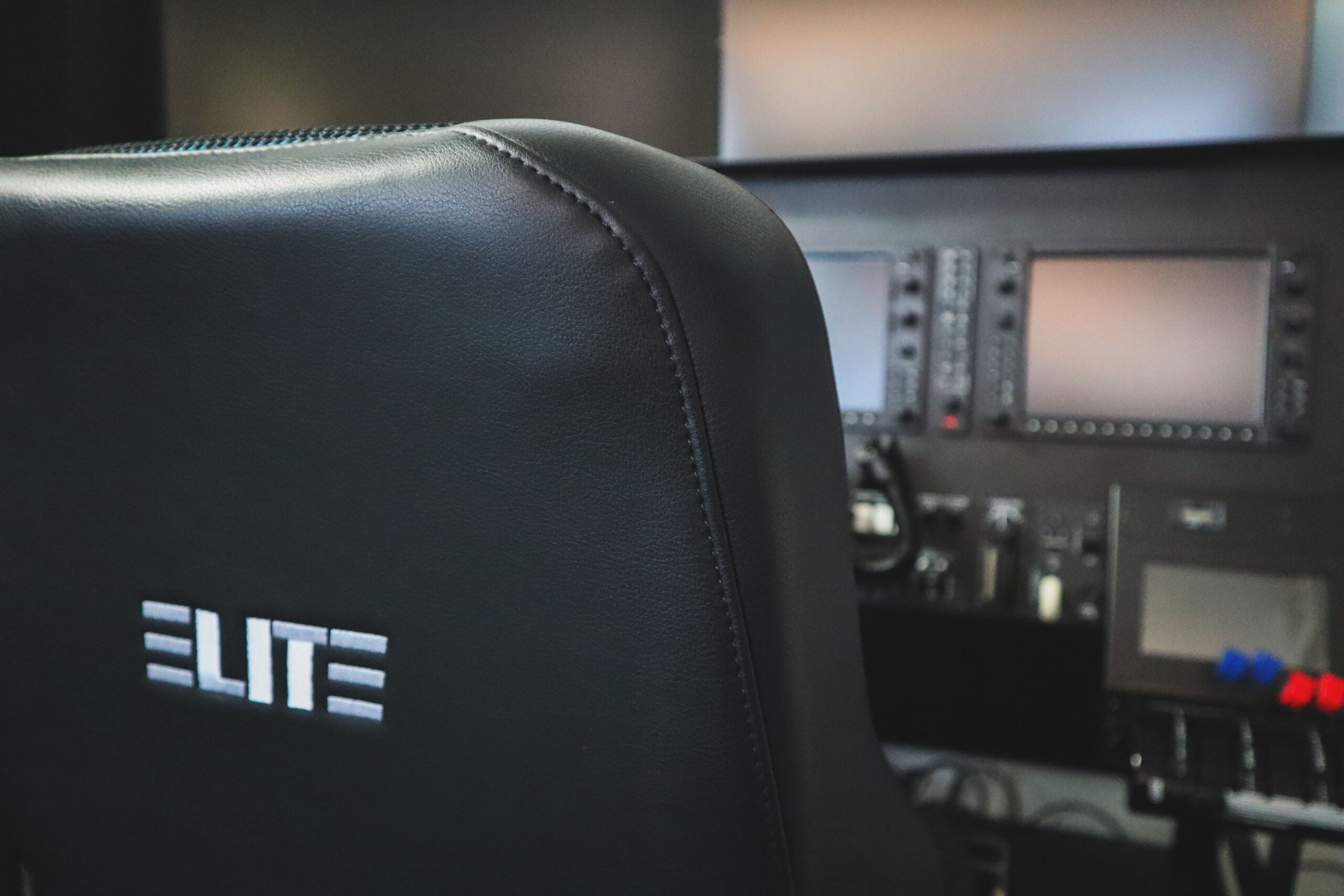
IFR Fundamentals
Build the core skills every IFR pilot needs: attitude flying, instrument scanning, holds, intercepts, and course tracking. You’ll learn to stay ahead of the airplane and manage workload under ATC.

Approaches & ATC Confidence
Train for ILS, RNAV (GPS), and VOR approaches with realistic briefings and stabilized profiles. You’ll practice approach sequencing, missed approaches, and IFR communication in busy Miami and Fort Lauderdale corridors.
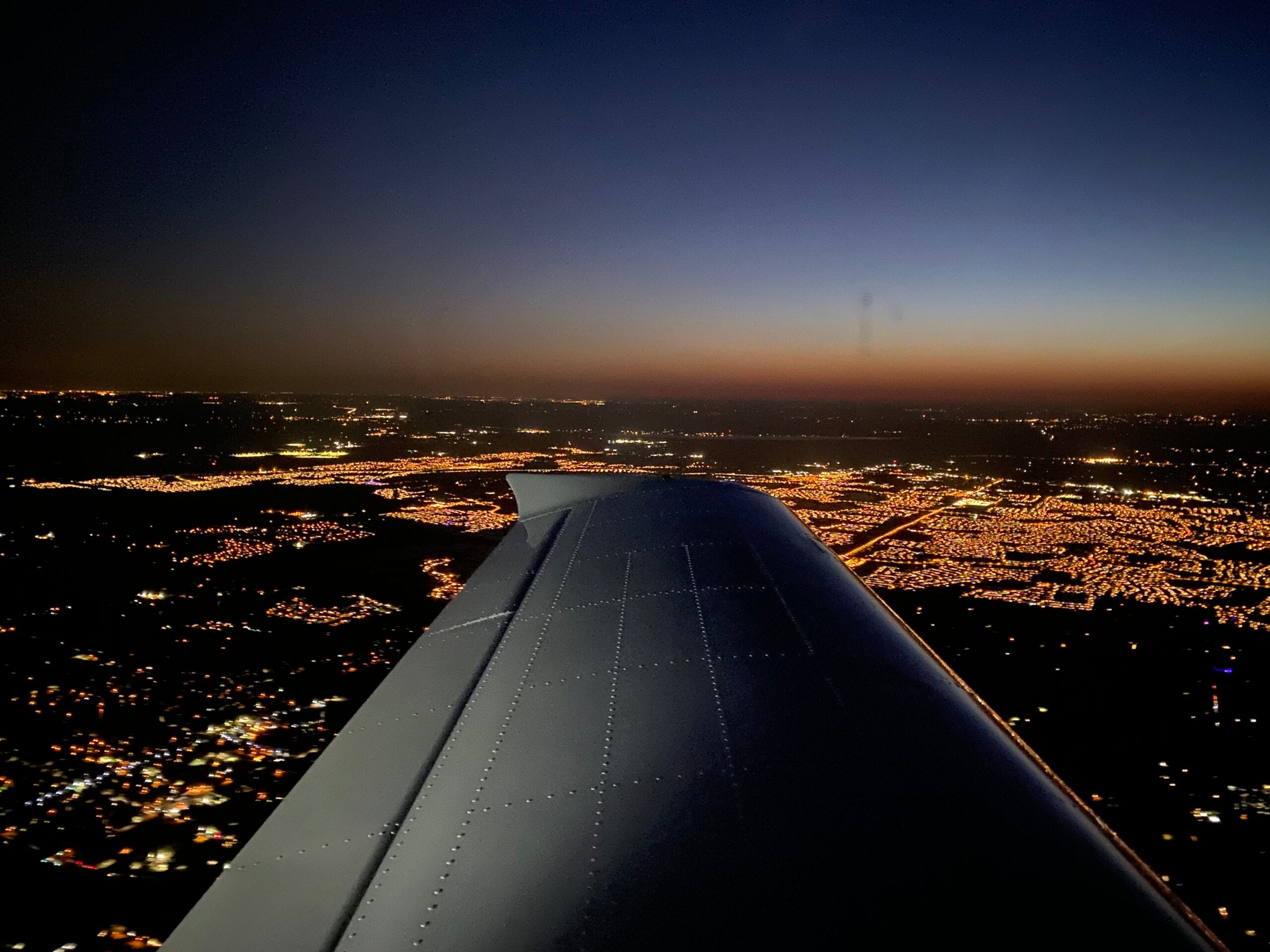
Cross-Country IFR & Weather
Complete IFR cross-country requirements while learning real-world routing, alternates, and fuel planning. We focus heavily on weather interpretation, risk management, and go/no-go discipline.
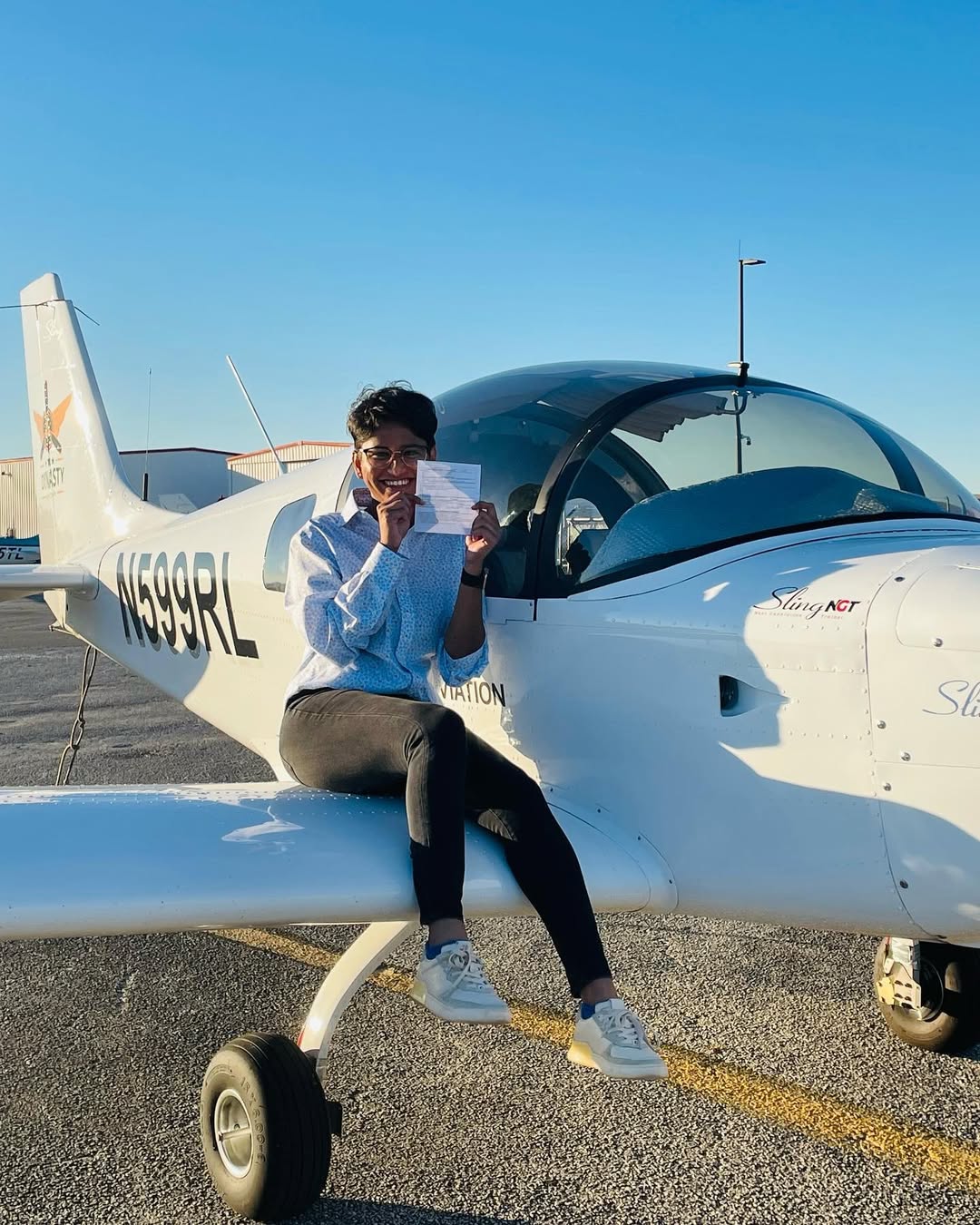
Checkride Readiness
Your final phase is focused, methodical prep for the FAA instrument checkride. We refine procedures, run mock checkrides, and ensure your flying, knowledge, and IFR decision-making are checkride-ready.
Instrument Rating Program FAQ
What is an Instrument Rating?
An Instrument Rating (IR) allows a pilot to fly under Instrument Flight Rules (IFR), meaning you can operate in clouds, reduced visibility, and controlled airspace using cockpit instruments and ATC guidance rather than visual references.
For career-track pilots, the Instrument Rating is a required step toward the Commercial Pilot Certificate and airline eligibility.
Where is Instrument Rating training conducted?
Dynasty Aviation conducts Instrument Rating training at:
North Perry Airport (KHWO)
Fort Lauderdale / Pembroke Pines, Florida
Serving the greater Miami–Fort Lauderdale area.
Training in South Florida provides daily exposure to controlled airspace, layered Class B and Class C operations, and busy ATC environments that accelerate IFR proficiency.
Is Dynasty Aviation a Part 141 Instrument Rating school?
Yes. Dynasty Aviation offers FAA Part 141 Instrument Rating training with an approved curriculum and structured stage checks.
Students may also train under Part 61 when flexibility is required. The admissions team will help determine the best path based on your goals and prior experience.
What are the requirements to start Instrument Rating training?
To begin Instrument Rating training, you must:
- Hold at least a Private Pilot Certificate
- Be able to read, speak, write, and understand English
- Meet FAA medical requirements
- Complete TSA clearance if applicable (for non-U.S. citizens)
Your instructor will also review your recent flight experience to ensure readiness for IFR procedures.
How many hours are required for an Instrument Rating?
FAA minimum requirements include:
- 50 hours of cross-country Pilot-in-Command (PIC) time
- 40 hours of actual or simulated instrument time
- 15 hours of instrument flight training with a CFII
Under Part 141, structured hour minimums may vary slightly based on curriculum approval.
Most students complete their Instrument Rating between 3–6 months, depending on training frequency.
What aircraft are used for Instrument Rating training?
Instrument training is conducted in Dynasty Aviation’s modern glass cockpit fleet, including:
- Sling 2
- RV-12iS
- Tecnam P2006T (for multi-engine IFR training)
Aircraft are equipped with Garmin glass avionics systems and autopilot integration, allowing students to train in a modern IFR environment rather than outdated analog platforms.
What will I learn during Instrument Rating training?
Instrument training focuses on:
- IFR navigation and enroute procedures
- Holding patterns and course intercepts
- Precision and non-precision approaches
- RNAV and ILS procedures
- ATC communication in IFR environments
- Workload management in controlled airspace
Students regularly fly in the Miami Class B and Fort Lauderdale Class C airspace, building communication precision and situational awareness.
Why is South Florida ideal for Instrument Rating training?
South Florida offers:
- Year-round flying conditions
- High-density controlled airspace
- Frequent IFR traffic exposure
- Multiple nearby airports for approach variety
- Immediate Class B and Class C integration
Instead of limited rural IFR exposure, students train in a complex, structured metropolitan environment that mirrors professional operations.
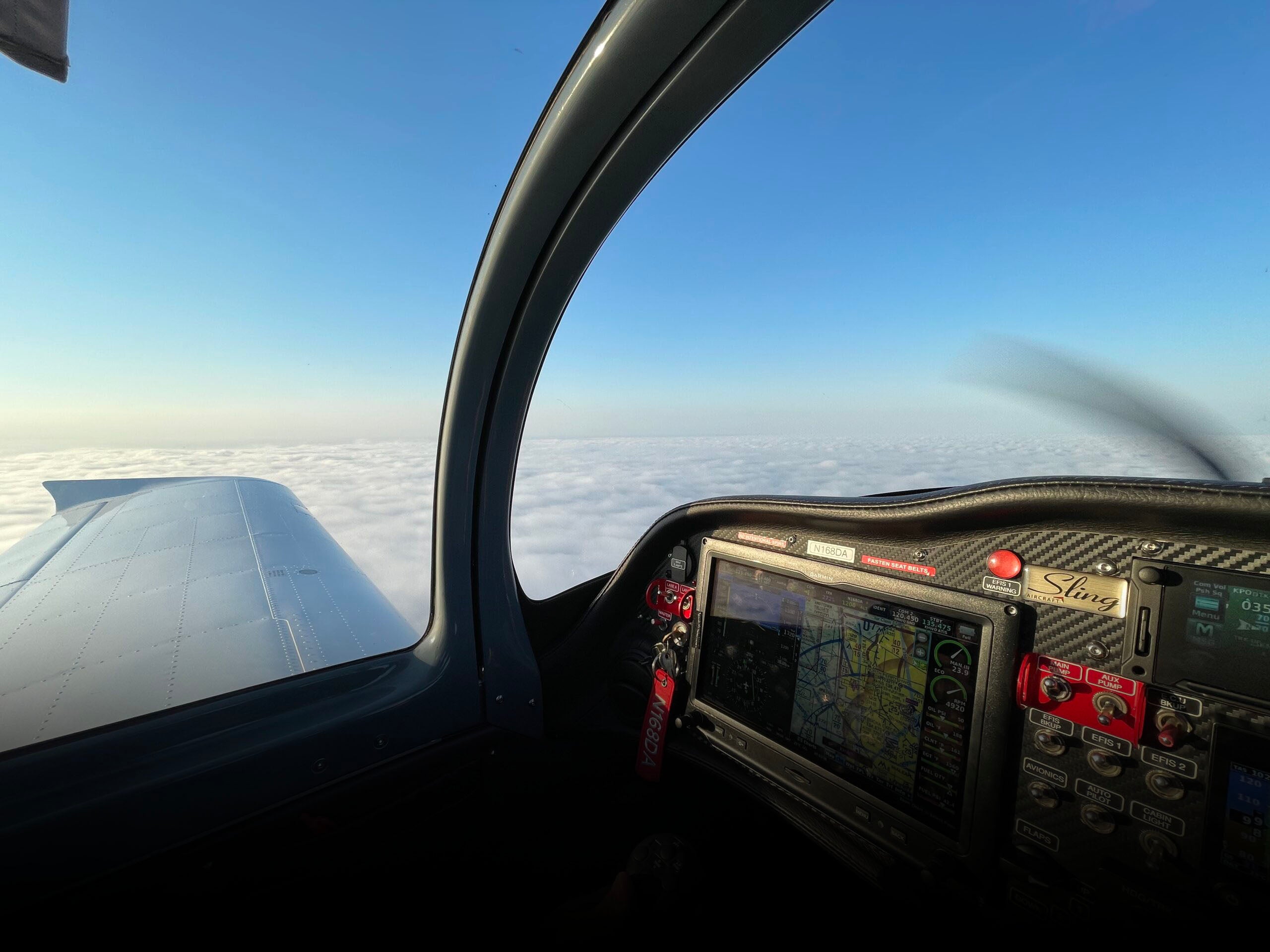
Tour Our IFR Training Center
As a rated pilot, you know that the right equipment and the right culture make all the difference. We invite you to North Perry Airport to see firsthand why Dynasty Aviation is the premier choice for instrument training in South Florida. No high-pressure sales—just a deep dive into our tech and our process.
During your private tour, you will:
- Inspect the Fleet: Get inside our Sling and RV-12 iS aircraft to see the G3X avionics suites you’ll be mastering.
- Explore the Tech: See how we integrate flight simulators to save you time and money during the "procedural" phase of training.
- Meet the CFIIs: Sit down with our instrument-certified instructors to discuss your goals and your timeline.
- Review Your Logbook: Get a free assessment of your current hours to see exactly what you need to reach IFR certification


